Serving Kaufman, Dallas, Collin, Hunt, Rockwall, & Van Zandt Counties
office@plumb-er.com
Most homeowners don't give their water heater a second thought—until they wake up to a freezing shower or a flooded garage. Because water heaters work silently behind closed doors, it is easy to assume that no news is good news.
However, tank water heaters have a finite lifespan, and waiting for yours to fail completely often leads to catastrophic, costly messes.
The average life expectancy of a standard tank water heater is 7 to 10 years.
Inside your tank, water constantly reacts with steel. While internal sacrificial anode rods help slow down corrosion, years of constant water pressure, heating cycles, and sediment buildup eventually take their toll. Once a tank rusts through from the inside out, failure isn't just possible—it’s inevitable.
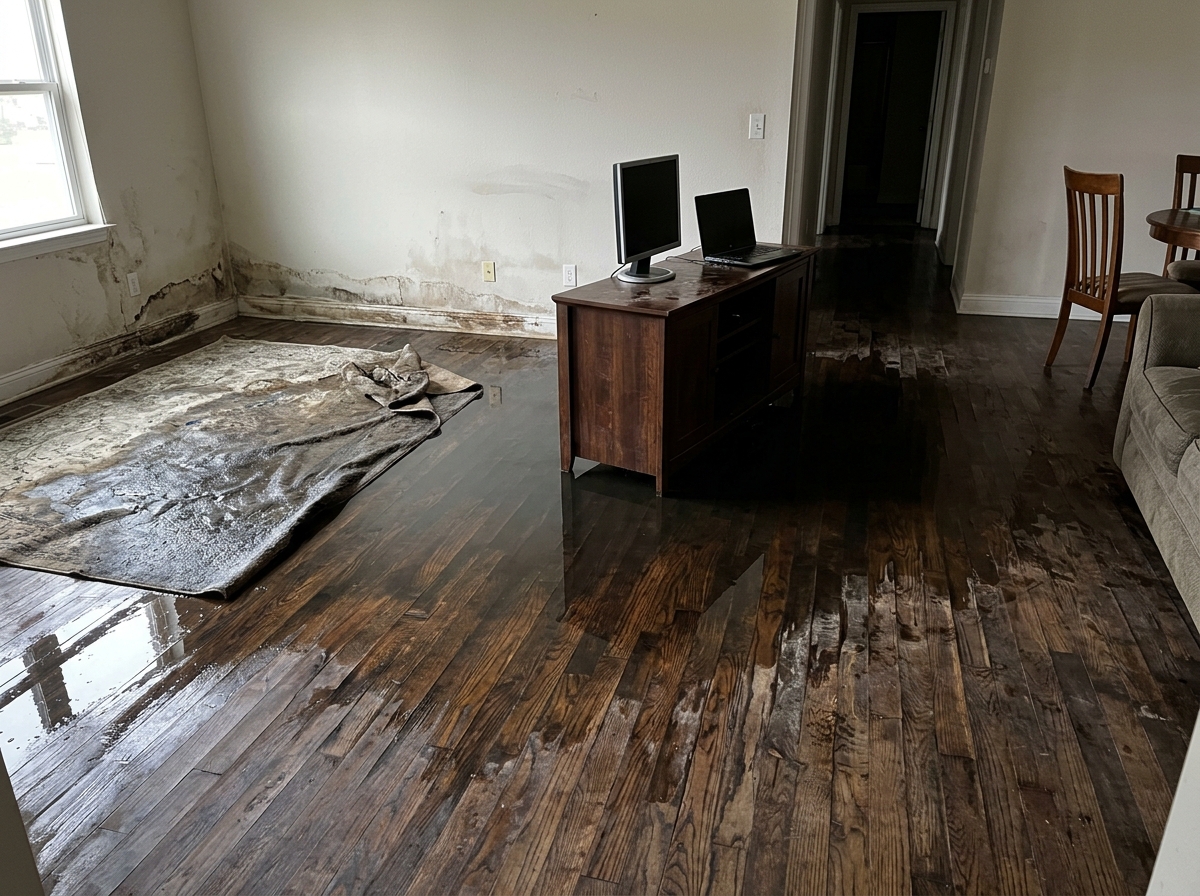
When a water heater reaches the end of its life, it rarely fails quietly. Tanks often rupture under pressure, dumping 40 to 50 gallons of scalding water within minutes—followed by a continuous stream of pressurized municipal water until someone shuts off the main valve.
The resulting secondary damage can quickly run into thousands of dollars:
Taking a proactive approach saves money, protects your property, and prevents emergency cold-water weekends.
1. Routine Annual Maintenance & Flushes
Sediment naturally settles at the bottom of standard tanks, creating a barrier that forces the burner or heating elements to work harder, accelerating tank failure. An annual system flush removes sediment, verifies temperature and pressure relief (T&P) valve operation, and catches small leaks before they turn into floods.
2. Smart Flood Protection: FloodStop Devices
For maximum peace of mind, automated leak-defense systems like FloodStop can be installed alongside your unit. These devices use specialized moisture sensors placed at the base of the unit. The moment water is detected:
When replacement time arrives, proper installation matters. Plumbing regulations exist to keep your household safe from excessive pressure spikes, scalding hazards, and gas or electrical faults.
Professional replacements must adhere strictly to local municipal codes, which typically include:
If your water heater is approaching the 7 to 10-year mark or hasn't had a proper flush in over a year, don't wait for a puddle to tell you it's time.
PlumbER is ready to help protect your home. Whether you need a timely replacement, an annual flush schedule, or advanced FloodStop protection, our licensed technicians install everything strictly to code for lasting reliability and complete peace of mind.
Contact PlumbER today to schedule an inspection or routine service!